Captive Breeding vs. Wild Reintroduction: The Ethical Tension in Axolotl Conservation
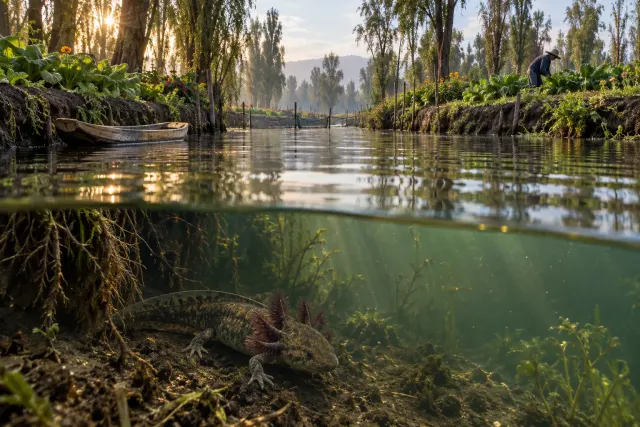
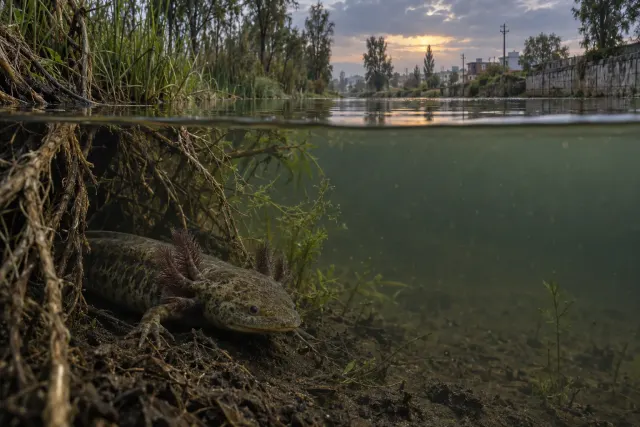
There’s an odd contradiction at the heart of axolotl conservation: the species is thriving in captivity — arguably too well, given how common pet axolotls are — while its only wild population edges closer to disappearing. That gap raises a genuinely difficult question: why not just release captive-bred axolotls back into Lake Xochimilco?
Quick answer
Captive axolotls can't simply be released into Xochimilco: generations of breeding for colour and captive hardiness have shifted their genetics away from the wild population, and they could carry diseases wild animals can't resist. Captive populations are an insurance policy for the species; habitat restoration is the priority for the wild population.
- All pet axolotls descend from a captive lineage kept outside Mexico for over a century
- Captive genetics have drifted from wild genetics
- Disease transfer is a major reintroduction risk
- Current conservation work prioritises habitat over release
Why It’s Not That Simple
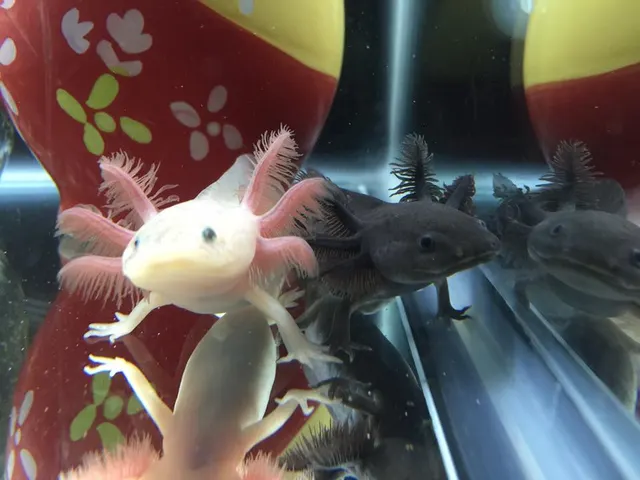
Captive axolotl populations, including virtually every pet and lab animal in the world, descend from a relatively small founding population brought out of Mexico generations ago and bred in captivity ever since. Generations of captive breeding — often prioritising colour morphs and hardiness rather than wild survival traits — have shifted the captive gene pool considerably from the wild population. Releasing captive-bred axolotls into Xochimilco risks introducing genetics poorly suited to actual wild conditions, and potentially introducing diseases or parasites the wild population has no resistance to.
The Case for Captive Breeding as Insurance
None of that makes captive breeding useless for conservation — it just means its role is different than a straightforward release program. A large, healthy, well-documented captive population functions as a genetic insurance policy: if the wild population were to disappear entirely, the species itself wouldn’t be lost. Some conservation-focused breeding programs, distinct from the pet trade, specifically aim to maintain genetic diversity closer to wild lineages, in case a scientifically managed reintroduction ever becomes viable.
The Case for Habitat-First Conservation
Most working conservationists in Xochimilco currently prioritise fixing the habitat over reintroduction efforts — improving water quality, controlling invasive fish, and establishing refugios (see Wild Axolotls Are Running Out of Time and Chinampas Restoration) — on the reasoning that releasing more axolotls into an environment that’s still actively hostile to them wouldn’t solve the underlying problem.
Where That Leaves Things
There’s no consensus “right answer” here, and reasonable conservationists land in different places on it. What’s broadly agreed on is that habitat restoration and invasive species management have to happen regardless of whether reintroduction ever becomes part of the strategy — a healthier Xochimilco helps the existing wild population either way.
Frequently Asked Questions
Could my pet axolotl's babies be released into the wild?
No — pet-line axolotls aren’t part of any wild reintroduction program, and releasing captive animals into local waterways can actually harm local ecosystems.
Is any reintroduction actually happening right now?
Current conservation efforts in Xochimilco are primarily focused on habitat restoration rather than active reintroduction of captive-bred animals.