Axolotl Tank Size Calculator
The short version: a single adult axolotl needs a minimum of 20 gallons (long), with an extra 10 gallons for every additional adult housed in the same tank. That 20-gallon starting point matters even though a single axolotl only strictly needs around 10 gallons of volume — a taller, narrower tank of the same volume doesn’t give an axolotl enough floor space to move around comfortably, since they’re a bottom-dwelling species rather than an open-water swimmer. A “long” style tank (wider footprint, shorter height) makes better use of the water it holds.
Use the calculator below to get a straight answer for your situation, then check the explanation and FAQ underneath for the reasoning.
Juveniles grow fast — plan to graduate to the full adult sizing above well within their first year, rather than buying a second tank just for the juvenile stage.
Once you know your target size, our tank setup guide walks through everything else, and the equipment below is available in our marketplace:
- Sponge filter (gentle flow, ideal under ~20 gallons or for juveniles)
- Canister or hang-on-back filter with the flow turned down (better for larger, multi-axolotl setups)
- A liquid water test kit
- A dechlorinator / water conditioner
Why 20 Gallons, Not 10?
Most of the “10 gallons per axolotl” figures floating around online are a rough volume guideline, not a real-world tank recommendation. In practice, axolotls need floor space more than they need depth — a 20-gallon long tank (30” × 12” × 12”) gives an adult axolotl enough room to turn around, rest, and explore, which a taller 10-gallon tank of the same volume doesn’t. Think of 20 gallons long as the practical starting point, and add roughly 10 gallons of extra volume for each additional adult sharing that tank.
Housing Multiple Axolotls Together
Axolotls can live together, but size-matching matters — a much larger axolotl sharing a tank with a noticeably smaller one raises the risk of nipped gills or limbs. If you’re planning to house more than one, try to keep them a similar size, and always have a backup container ready in case you need to separate them.
Frequently Asked Questions
Can I keep an axolotl in a 10-gallon tank?
Technically you can keep a very young juvenile in a 10-gallon tank short-term, but we wouldn’t recommend it for an adult — the footprint is too cramped for comfortable movement. Since axolotls grow quickly, it’s usually more cost-effective to start with a 20-gallon long tank from day one.
Does tank height matter for axolotls?
Not much, within reason. Axolotls are bottom-dwellers rather than open-water swimmers, so floor space (length × width) matters far more than height. A shorter, wider “long” tank makes better use of its volume than a tall one.
How much does tank size affect water quality?
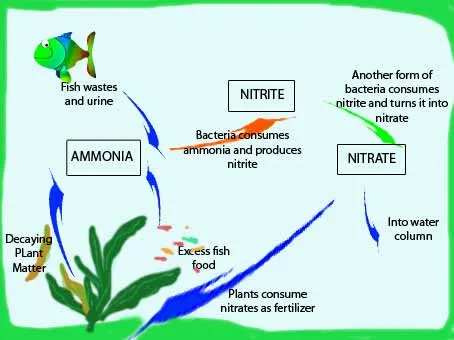
A great deal. A larger volume of water dilutes waste more effectively and gives water chemistry more time to shift gradually rather than spiking — which is part of why an undersized tank is harder to keep stable, on top of being cramped.