The Ultimate Axolotl Care Guide
This guide pulls together everything on Axolotl City into one starting point — a short summary of each topic, with a link through to the full guide whenever you want the details. Bookmark this page if you only bookmark one.
What Is an Axolotl?
Axolotls (Ambystoma mexicanum) are neotenic salamanders — amphibians that keep their larval, fully aquatic form for life instead of growing legs and moving onto land. They’re native to a single, critically endangered lake system near Mexico City, and famous for their ability to regenerate lost limbs and organs. Start with What Are Axolotls? for the full biology, or General Axolotl Information for their conservation status, taxonomy, and origin.
Before You Get One
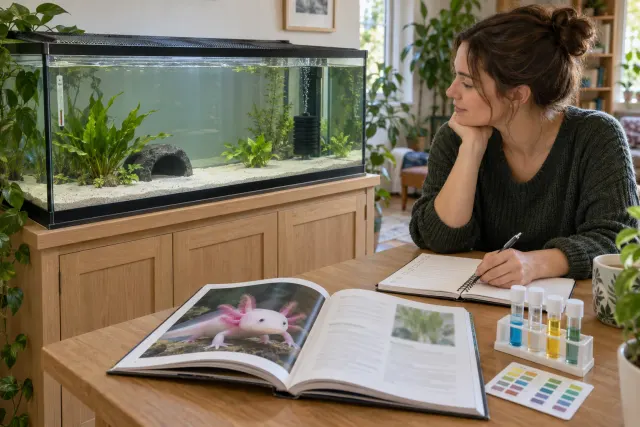
Axolotls are a genuine long-term commitment — typically 10–15 years — and need cooler water and gentler handling than most aquarium fish. Before buying anything, work through Before You Get an Axolotl, use our Tank Size Calculator to know exactly what to buy, and keep our New Owner Checklist open while you shop and set up.
Setting Up the Tank
A tank needs to be fully cycled — with a stable colony of beneficial bacteria — before an axolotl ever goes in it. Setting Up Your Axolotl Tank covers the physical setup, and How to Cycle an Axolotl Aquarium walks through both the fast, bottled-bacteria method and the traditional fishless cycle. If you want live plants, Live Aquarium Plants for Axolotl Tanks lists ten that tolerate cool water without special lighting or CO2.
Bringing Your Axolotl Home
The first 48 hours matter — temperature acclimation, dim lighting, and knowing which behaviours are normal versus concerning. Bringing Home Your Axolotl covers the acclimation process step by step.
Feeding
Axolotls are carnivores that do best on a varied diet of sinking pellets, earthworms, and blackworms. Food for Axolotls includes a full nutritional comparison table across common live foods, and Hatching Brine Shrimp shows how to hatch your own as a first food for larvae.
Health & Wellness
Most axolotl health problems trace back to water quality, so testing your water is always the first step. Our Axolotl Care Sheet covers the fundamentals, Axolotl Illness and Treatment has a full symptom/cause/treatment reference table, and Axolotl-Safe Chemicals and Medication lists what’s actually safe to use. For specific treatments, see our guides to salt baths, tea baths, and fridging (cold therapy for more serious cases).
Colours & Morphs
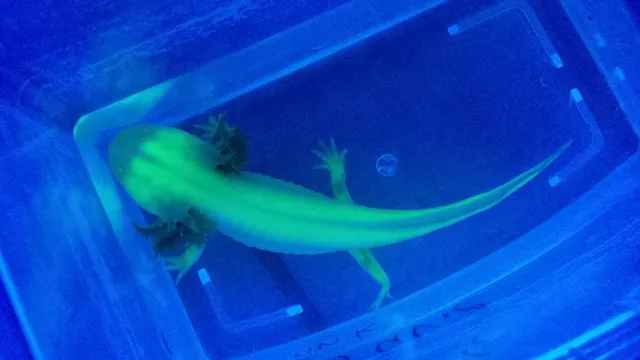
From common Wild Type and Leucistic axolotls to rarities like Chimera and FireFly, colour genetics is one of the most popular topics in the hobby. Different Types of Axolotls: Morphs and Colour covers all thirteen, and our Morph Genetics Calculator estimates what two parent morphs are likely to produce.
Breeding
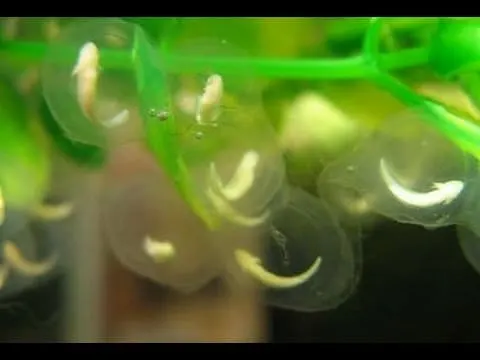
If you end up with a breeding pair, Gender and Sexual Maturity in Axolotls explains how to tell males and females apart, and How to Hatch Axolotl Eggs walks through embryo development day by day, from fertilised egg to free-swimming larva.
Still Have Questions?
Check our Frequently Asked Questions — and when you’re ready to shop for breeders, food, or equipment, our Marketplace is next.