How to Hatch Axolotl Eggs: Embryo Development
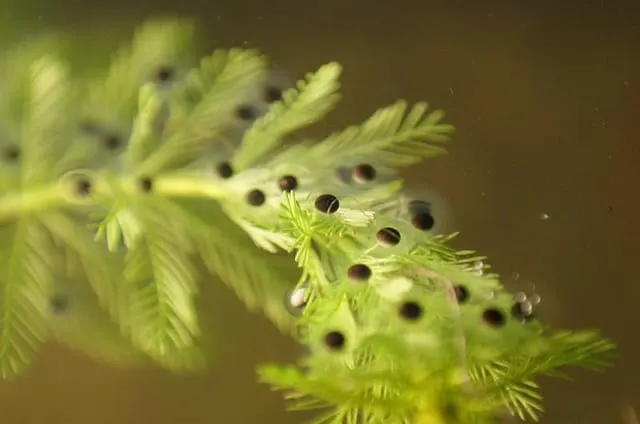
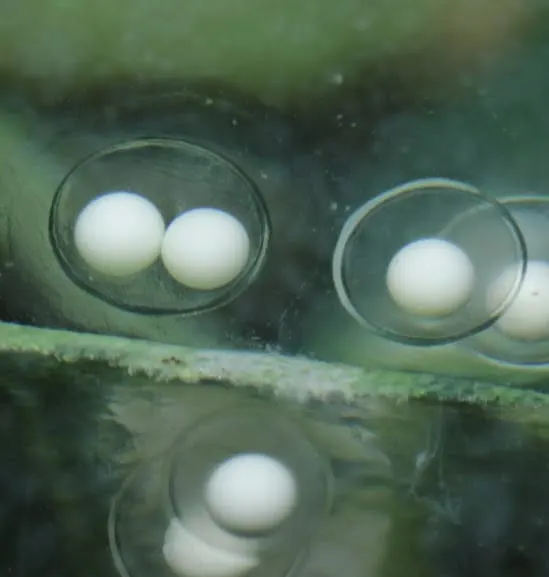
Axolotl eggs come in two colours: white or black. White eggs come from axolotls in the albino family, while black eggs come from pigmented axolotls. In practice, this means White Albino, Golden Albino, and Copper axolotls will lay white eggs, while Leucistic, Wild Type, and Melanoid axolotls will lay black eggs.
Egg colour won’t tell you the morph or gender of the offspring inside — you’ll be able to tell the morph shortly after hatching, and the gender once the axolotl is around a year old, on average.
Axolotl eggs are fairly easy to hatch as long as the male and female have done their part in fertilising them. From there, your job is simply to give the eggs an environment with little water movement, excellent water quality (as free of microorganisms as possible), and a suitable temperature, then let them develop naturally. If the eggs are fertile and the environment is right, they should progress through the stages below.
Development timing will vary by a few days depending on water temperature — keep axolotl eggs at the same temperature you’d keep an adult axolotl.
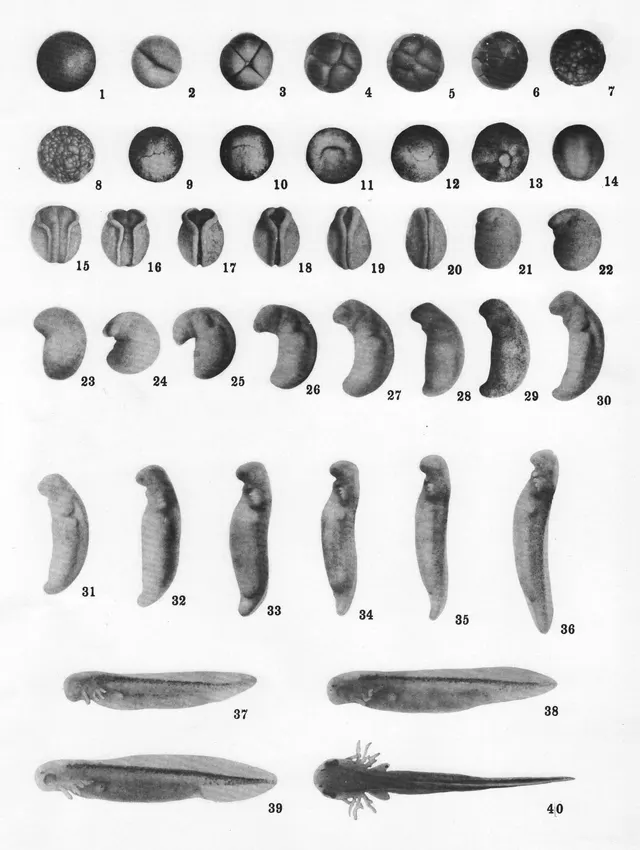
Day 1
At this stage, the eggs are round, smooth balls. Over the next couple of days, they’ll gradually take on a rougher texture.
Day 4
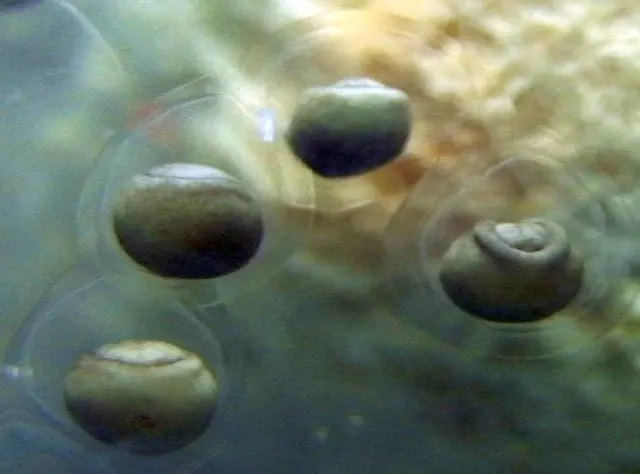
The embryo inside each egg begins to flatten.
Day 5
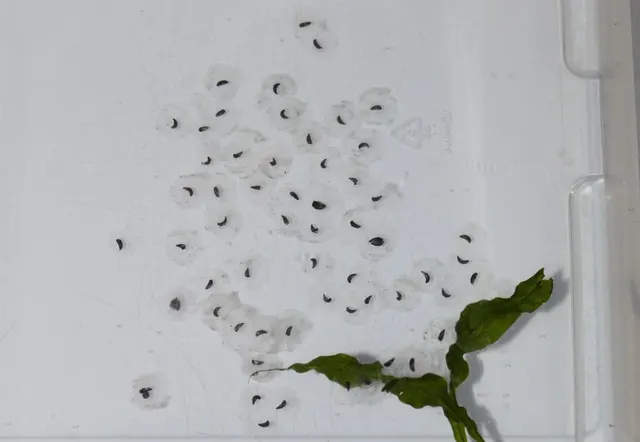
This is known as the comma stage — the point where the eggs begin to change noticeably.
Days 6–8
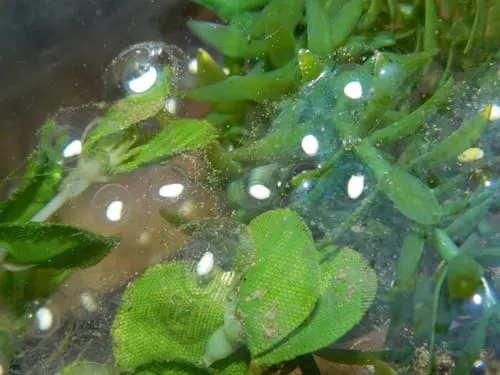
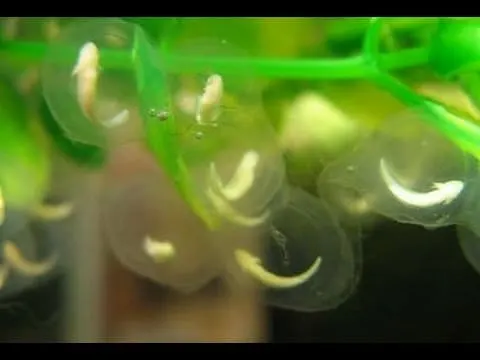
External gills begin to develop and become visible.
Days 9–14
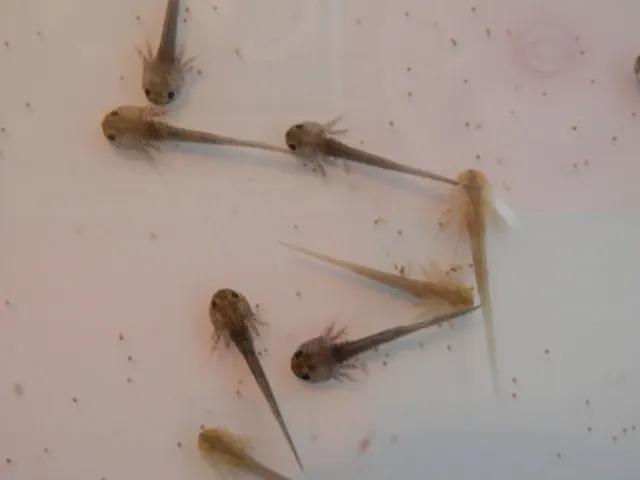
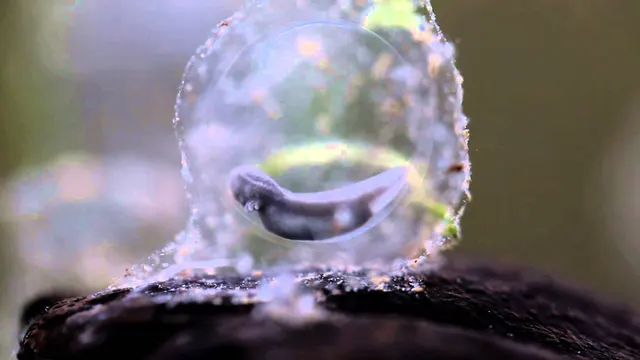
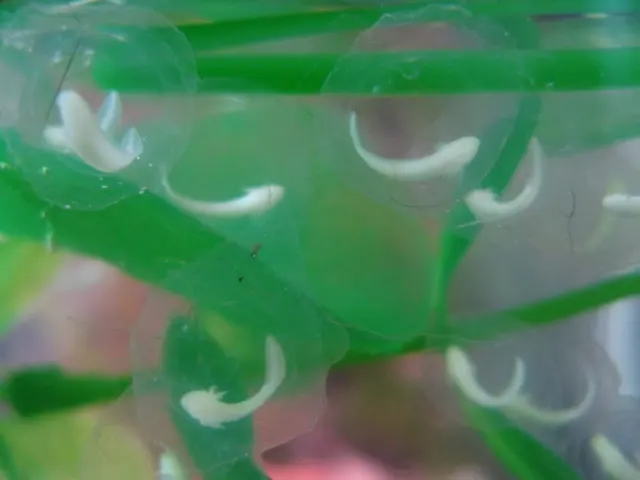
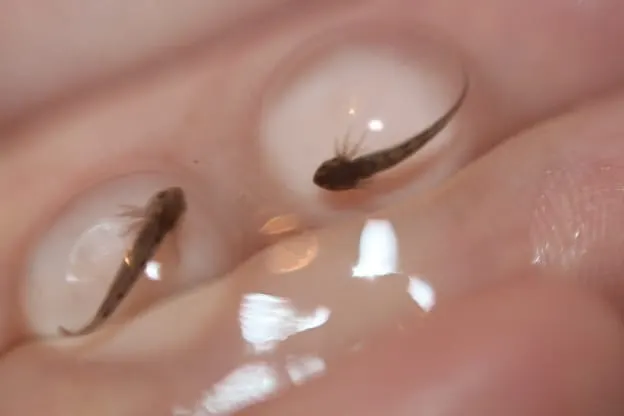
The axolotl finishes its development inside the egg — everything except its legs, which develop after hatching.
Day 15+
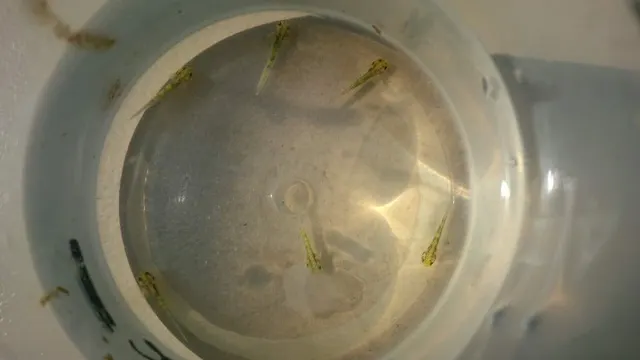
Most, if not all, of the axolotls should have hatched by this point.