Why Axolotls Took Over the Internet: Minecraft, Memes, and the Cute-Ugly Boom
A decade ago, most people had never heard of an axolotl. Today, it’s a Minecraft mob, a recurring meme, an emoji, and one of the most Googled “weird cute animal” searches out there. That shift happened remarkably fast, and it’s worth understanding how — partly because it explains why so many people are discovering the hobby for the first time, and partly because it explains why so many of those new keepers show up under-prepared.
Quick answer
Axolotls went from niche aquarium animal to internet icon mainly through Minecraft's 2021 Caves & Cliffs update, which added them as a tameable mob. Their permanent 'smile', feathery gills and pink colour made them instantly meme-able, and searches, plushies and pet demand rose sharply afterwards.
- Minecraft added axolotls in June 2021 (Caves & Cliffs Part I)
- Pokémon's Wooper and Quagsire were axolotl-inspired decades earlier
- The leucistic (pink) morph is the 'meme' look; wild axolotls are dark and mottled
- Rising popularity also raised concern about impulse pet purchases
From Obscure Salamander to Internet Icon
Axolotls had a small, dedicated fanbase among aquarium hobbyists and biology students for decades before their broader internet fame. That changed largely thanks to one very specific event.
The Minecraft Effect
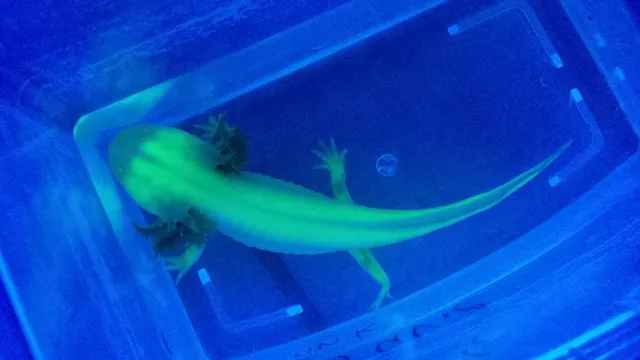
In 2021, Minecraft added axolotls as a swimmable mob in its “Caves & Cliffs” update — chosen, in part, through community feedback during development. It was an instant hit: axolotls in Minecraft help players fight against underwater mobs, come in the same real-world colour variations (including the rare blue variant, a nod to a genuine rare mutation), and quickly became one of the most talked-about additions to the game in years. For a huge number of people, that was their introduction to axolotls existing at all — and searches for “real axolotl” and “pet axolotl” spiked noticeably in the months that followed.
The “Cute-Ugly” Appeal
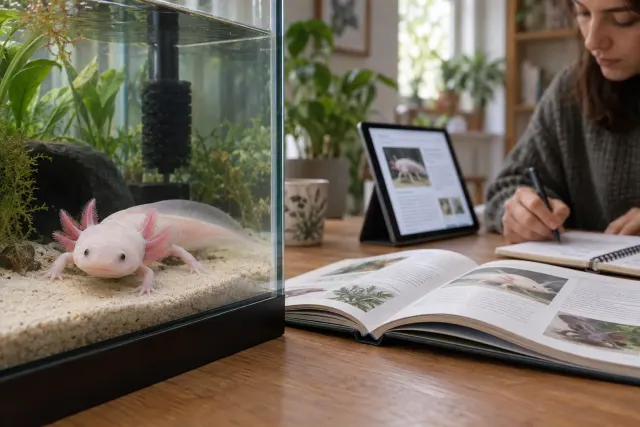
Axolotls tap into something particular in how humans respond to faces. Their permanently juvenile features — a proportionally large head, wide-set eyes, and a mouth that reads as a permanent smile — trigger the same instinctive appeal as human and animal babies, a phenomenon sometimes called “baby schema.” Combine that with feathery external gills and a slightly alien body plan, and you get exactly the kind of “so ugly it’s cute” combination that tends to spread fast online.
Emoji and Social Media
The axolotl earned its own emoji in the early 2020s, cementing its status as a recognised cultural symbol rather than just an obscure animal fact. Since then, axolotls have become a recurring subject across social media — from short-form videos of pet axolotls “walking” along tank floors to fan art drawing on their Minecraft appearance.
The Real-World Ripple Effect
Viral popularity is a double-edged sword for any animal. On the upside, it’s brought a wave of genuinely curious new keepers into the hobby, and grown the community around axolotl care substantially. On the downside, it’s also led to impulse purchases by people who saw a cute video without researching tank size, water temperature, or the 10–15 year commitment involved. If you’re one of the many people who discovered axolotls through a game or a video and are now considering one as a pet, our New Owner Checklist and Before You Get an Axolotl guide are exactly the next step.
Frequently Asked Questions
Are Minecraft axolotls based on a real colour?
Most Minecraft axolotl colours (pink/leucistic, gold, brown/wild, cyan) are based on real morphs. The rare blue variant references a genuine, very rare natural mutation.
Did Minecraft cause a rise in axolotl sales?
Public interest and search activity around pet axolotls rose noticeably after the 2021 update, though exact sales figures vary by region and retailer.
Is it a bad idea to get an axolotl because it's trendy?
Not necessarily — plenty of great keepers started with viral curiosity. What matters is doing the research on tank setup and long-term care before buying, not the reason you first became interested.