Bringing Home Your Axolotl: Acclimation and First Week
You’re ready to bring your axolotl home. You’ve done your research and you’ve got this, but you’re understandably a little anxious about seeing your new arrival settle into its tank without stress. Here’s how to make the transition as smooth as possible.
Quick answer
Turn the tank lights off, float the sealed bag or container in the tank for about 20 minutes so the temperatures match, then gently move the axolotl into the tank without pouring in the travel water. Keep the lights off for 24 hours, offer food the next day, and test the water daily for the first week.
- Before the trip: tank cycled, 16 to 18°C (60 to 64°F), water tested
- In transit: cool, dark and steady
- Arrival: float for 20 minutes, release, lights off
- Normal at first: hiding, pacing, skipped meals
Before you collect your axolotl
The tank has to be ready before the axolotl is. On the day, check three things:
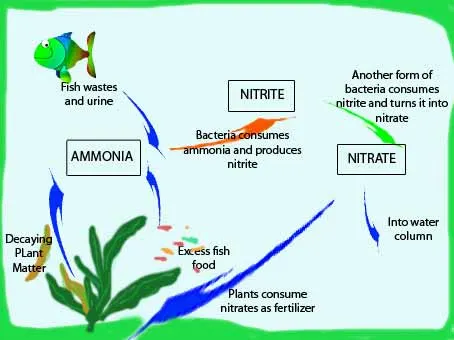
- The tank is cycled. Ammonia 0, nitrite 0 and some nitrate on a liquid test kit. If it is not, see How to Cycle an Axolotl Aquarium and ask the seller to hold the animal, or be ready to keep it in a tub with daily water changes until the tank is safe.
- The temperature is right. 16 to 18°C (60 to 64°F), and no higher than 20°C (68°F).
- There is a hide. A new axolotl will want cover immediately.
Ask the seller what the axolotl has been eating and how often. Offering the same food for the first week or two removes one variable while it settles.
The trip home
- Keep it cool. A bag or tub inside an insulated cooler bag holds its temperature well. In summer, a cold pack wrapped in a towel beside the container (not touching it) helps. Never leave an axolotl in a parked car.
- Keep it dark. Darkness keeps an axolotl calm.
- Keep it steady. Stand the container upright where it cannot slide or tip.
- Go straight home.
Axolotls that arrive by courier have usually been in the bag overnight. They are packed with this in mind, but they should be unpacked as soon as the box arrives.
Settling in
Before you start, turn off your tank’s lights. This helps reduce stress, especially if your axolotl has travelled a long distance. You can turn them back on after about 24 hours.
Let your axolotl adjust to the temperature of its new home first: float the sealed bag or container it arrived in in the tank for about 20 minutes, then gently release it into its new environment.
Two details make the release safer:
- Leave the travel water behind. It contains the waste produced during the trip. Lift the axolotl across with a soft net or cupped, wet hands, or tip the bag into a clean tub and transfer from there.
- Do not leave it sitting in an opened bag. After a long journey the water in the bag is high in waste, and it becomes more harmful once the bag is opened and fresh air reaches it. Match the temperature with the bag still sealed, then open it and move the axolotl promptly.
What is normal in the first few days
Don’t be alarmed if your axolotl acts a little unusual at first. This is completely normal. Most axolotls will head straight for cover the moment they’re released. Once it settles in a bit more, it will start exploring every corner of the tank. High activity is typical whenever an axolotl is placed in a new home, or even just after its existing tank has been redecorated. It may also skip its first couple of feedings. None of this is cause for concern: most axolotls settle in and start behaving normally within the first few days.
| Usually normal | Worth acting on |
|---|---|
| Hiding for most of the day | Gills held curled forward for hours at a time |
| Pacing the glass or exploring every corner | The tip of the tail bent into a hook |
| Skipping the first two or three meals | Refusing all food for more than a week (sooner for a small juvenile) |
| Swimming to the surface for a gulp of air now and then | Floating and unable to get back down |
| Slightly paler or darker colour than at the seller's | White cottony tufts, red patches or open sores on the skin or gills |
If you see anything from the right-hand column, test the water and check the temperature first. Those two things explain most problems in a new tank. For sores, signs of infection or an axolotl that cannot stay down, contact an exotics vet promptly while you correct the water. Our Illness and Treatment table matches symptoms to likely causes.
The first week
- Day 1: lights off, no food, leave it alone.
- Day 2: offer a small meal of the food it is used to. If it is refused, remove it after a few minutes and try again the next day.
- Days 2 to 7: test ammonia, nitrite and nitrate every day. A newly cycled tank is meeting a real animal’s waste for the first time, and small spikes are caught early this way. If ammonia or nitrite reads above 0, change a large part of the water with conditioned water of a similar temperature and test again. If either is still detectable, move the axolotl to a tub of clean, conditioned water while you put the tank right.
- All week: check the thermometer daily, remove uneaten food promptly, and hold off on rearranging the tank.
- End of the week: if readings have stayed at 0 ammonia and 0 nitrite, move to the normal routine of a weekly test and a weekly partial water change.
Resist the urge to handle your axolotl. Their skin and slime coat are delicate, and they settle faster when left alone.
If you already keep axolotls
Quarantine a new arrival before it shares water with your others. A separate tub or tank for about 30 days, with its own net and siphon, gives any illness time to show before it can spread. During that time, do the new animal’s water changes last and wash your hands between tanks.
Only house axolotls together if they are of similar size. A smaller axolotl is likely to lose gills or toes to a larger one.
Frequently Asked Questions
How long does it take an axolotl to settle into a new tank?
Most are eating and behaving normally within a few days to a week. Shy individuals can take two weeks.
My new axolotl is not eating. Is that normal?
Yes, for the first few days. Check the water and the temperature as soon as food is refused, keep offering a small amount of the food it had before, and remove what it leaves. If an adult has eaten nothing after a week, speak to the seller or an exotics vet. Do it sooner for a juvenile, or if there is weight loss or any other symptom.
Should I drip-acclimate an axolotl?
It is not usually needed. Matching the temperature is the important step. After a long trip, a slow drip keeps the axolotl sitting in waste-laden travel water for longer, which does more harm than good.
Should I feed my axolotl on the first day?
No. Wait until the next day. A stressed axolotl rarely eats, and uneaten food fouls the water.
Can I put my axolotl in a tank that has not finished cycling?
Not safely. Keep it in a tub of conditioned water changed fully every day until the tank can clear a dose of ammonia to 0 ammonia and 0 nitrite within 24 hours. An uncycled tank with nothing in it also reads 0, so the reading alone proves nothing.