Before You Get an Axolotl
Here’s a list of things to consider before you get an axolotl.
Ask Yourself First
- Can you afford it? A tank, food, and accessories can add up to a few hundred dollars, and vet fees for exotic pets can be significant if something goes wrong.
- Do you have the space? You’ll need at least 38L (10 gallons) per axolotl.
- Can you commit long-term? Axolotls average an 8–10 year lifespan and can live up to 15 years — a similar commitment to owning a dog.
- Do you understand cycling and water quality? If not, start reading before you buy anything else — see our guide to cycling an aquarium.
- Can you handle live food? Axolotls prefer live food — worms, maggots, and other creepy crawlies. Sinking pellets are available in our marketplace, but ask yourself honestly whether hand-feeding live food is something you’re comfortable with.
- Do you have access to an exotics vet? Not every vet treats amphibians — check before you need one.
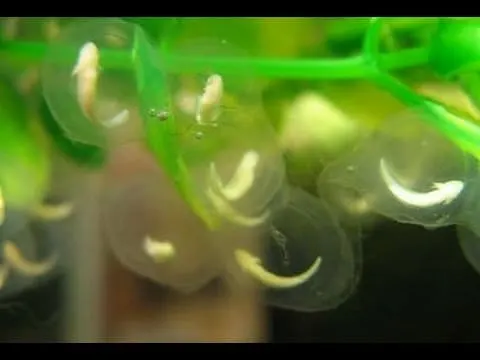
- Are you prepared for breeding? If you end up with a breeding pair, are you ready to raise babies, cull eggs, or euthanise larvae if needed?
What to Buy Before Bringing One Home
- Tank and stand — 38L (10 gallons) minimum. No lights or heater needed; axolotls are cold-water animals.
- Filter (an air stone is optional)
- Accessories: a hide, some large stones or ornaments, and real or plastic plants
- A large net
- Dechlorinator or water conditioner
- A liquid water test kit (not test strips)
- Large buckets and a siphon for water changes
- An aquarium vacuum or turkey baster
- A large plastic tub for quarantining or nursing, if needed
- Never buy gravel — axolotls can ingest it, and it can kill them
Feeding Supplies
- A worm farm or container, or at least access to clean, pesticide-free land for harvesting
- Fridge space for small food items like worms or maggots, if you’re going the live-food route
- Plastic tongs or forceps, if you’d rather not hand-feed
Where to Buy
Buying directly from a registered breeder gives you better odds of a healthy animal. Many pet shops don’t know how axolotls differ from fish, and end up keeping them under bright lights, in gravel tanks, and feeding them the wrong food entirely.
A Few Hard Rules
The best tank mate for an axolotl is another axolotl — they don’t mix well with fish or other aquarium dwellers.
Never put gravel in an axolotl tank. Large stones, fine smooth sand, flat slate, a bare bottom, or textured tiles are all fine. Axolotls can and will eat gravel, which blocks their digestive system and can kill them.
Only add chemicals to your tank on the advice of a vet — your local aquarium or pet shop isn’t always a reliable source for axolotl-specific advice. Axolotls absorb chemicals through their skin, so anything you add to the water can affect them directly.